

Research
If I had to put a label on it, I’d say my research lives under the big (and dense) umbrella of Networked Edge AI Systems. In practice, this means exploring how embedded intelligence components (from the tiniest microcontrollers to large cloud platforms) can cooperate, reason, and adapt for efficient AI services provisioning. A relatively new theme in my research activities is the automation of the Edge AI lifecycle across heterogeneous environments, making systems more dependable and less reliant on human intervention. I’m genuinely fascinated by the “plumbing” that makes all this possible: protocols, orchestration layers, and the mechanisms that keep distributed intelligence running when computing and networking resources are scarce or unpredictable. Some of my current and recent research topics are showcased below.
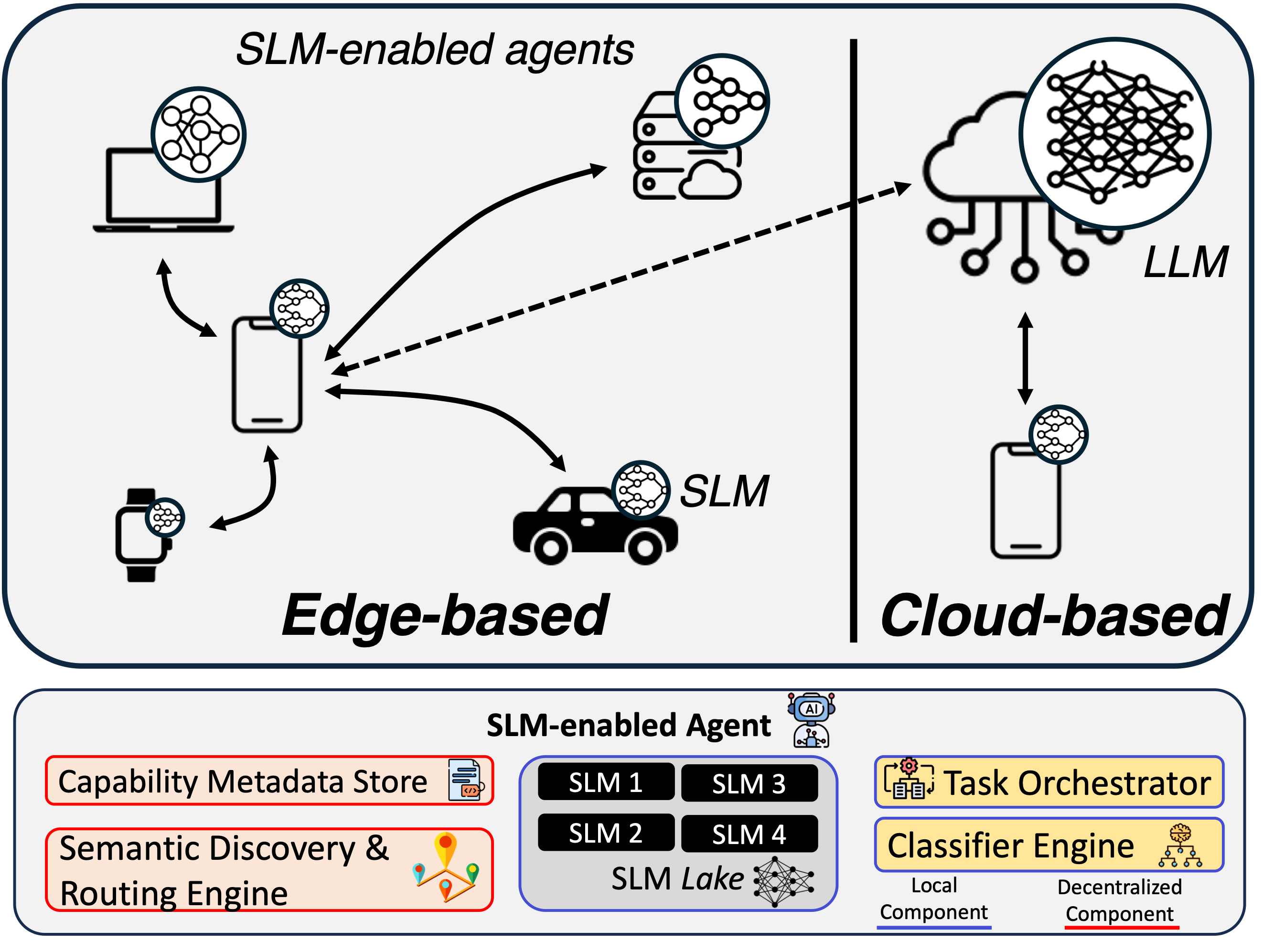
Distributed and Collaborative AI Systems
How heterogeneous devices, edge nodes, and cloud resources collaborate to execute AI workloads efficiently under latency, energy, and reliability constraints.
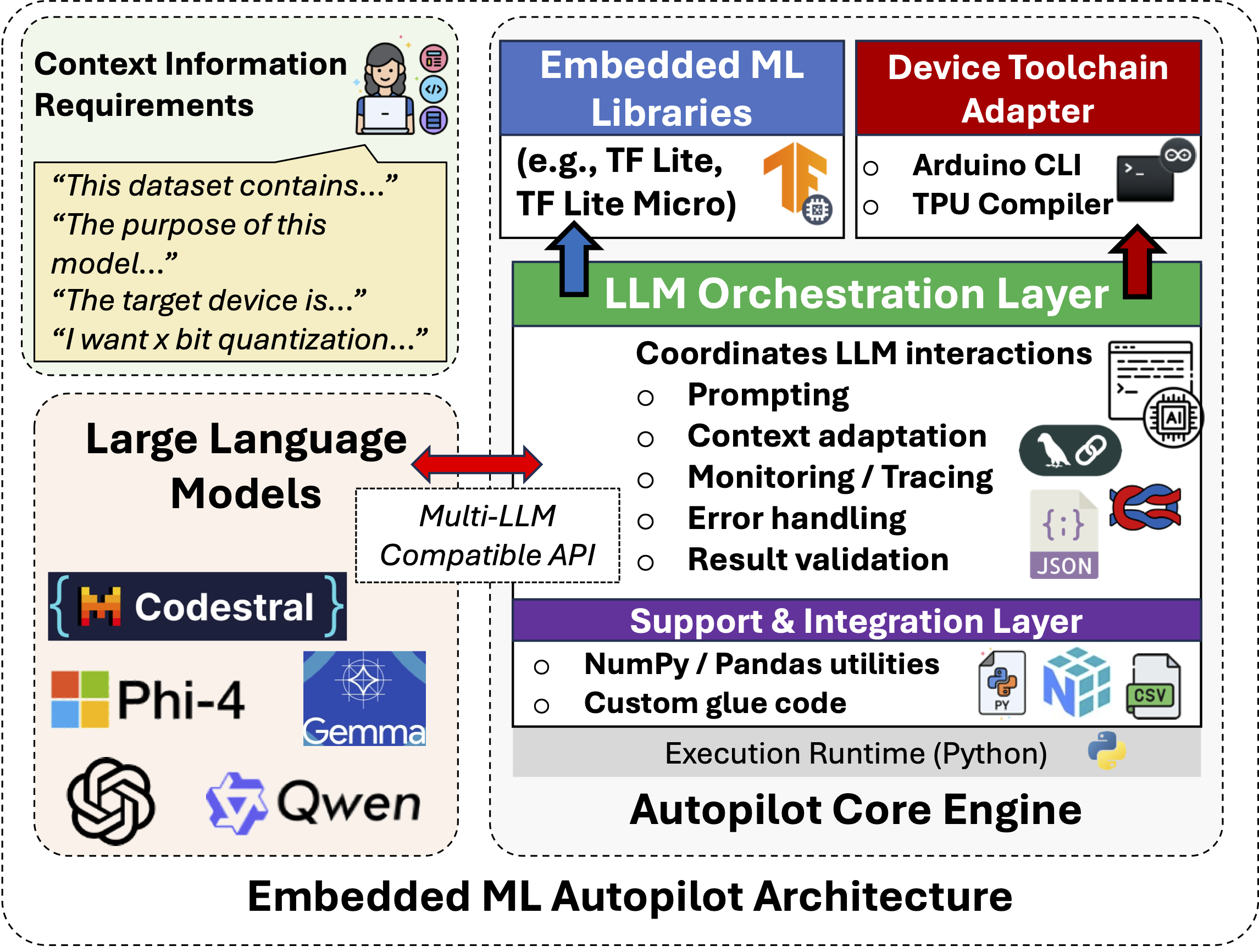
Autonomous and Adaptive AI Systems
Automating the deployment, optimization, and evolution of AI systems through agentic workflows, runtime adaptation, and intelligent lifecycle management.
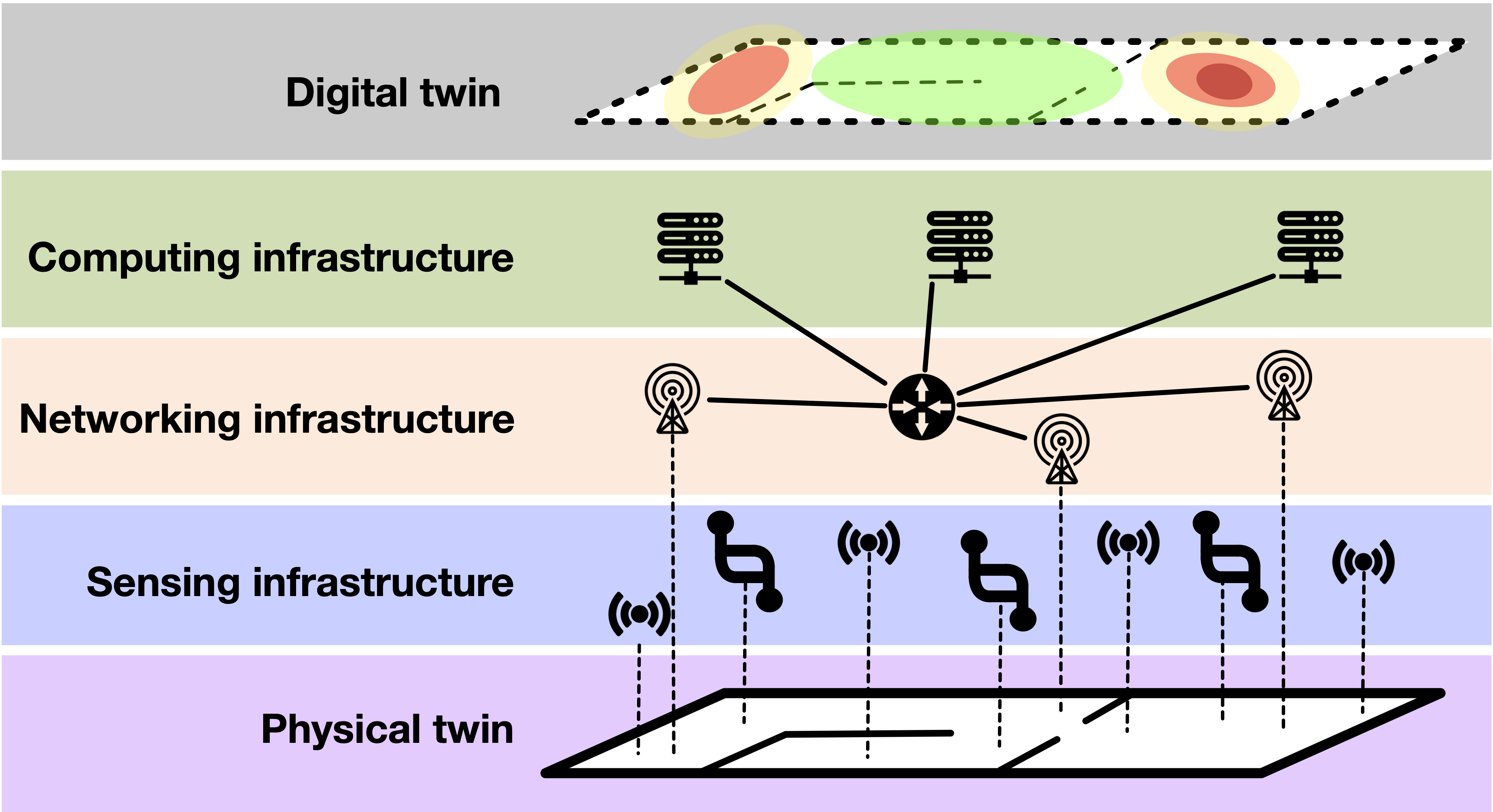
Networked Digital Twins
Building synchronized, adaptive digital representations of networked cyber-physical systems for monitoring, prediction, and resilient operation.
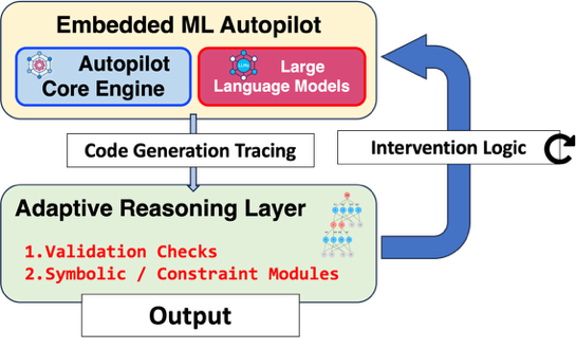
Dependable and Resource-Aware AI
Understanding and improving the reliability of AI systems through verification, uncertainty-aware reasoning, and adaptive allocation of computation.